







If you’re managing addiction recovery, you’ll find that effective treatment often combines multiple therapeutic models. These include CBT for relapse prevention, motivational interviewing, contingency management, family therapy, group therapy, 12-step programs, EMDR for trauma-focused care, and holistic approaches like yoga and art therapy. With CBT alone reducing relapse rates by up to 60%, evidence-based options can make a real difference. Each model offers unique strengths worth exploring further below. DBT therapy for addiction has gained recognition for its effectiveness in treating substance use disorders. It focuses on building emotional regulation and coping skills, which can be beneficial for those in recovery.
CBT for Relapse Prevention in Addiction Treatment

Through cognitive behavioral therapy, you’ll learn to identify triggers, stress, negative emotions, social pressure, and challenge the automatic thoughts that fuel cravings. Techniques like trigger monitoring, behavioral analysis, and role-play build practical coping skills you can use in high-risk moments. Relapse prevention counseling also strengthens your self-efficacy, helping you trust your ability to stay abstinent. Research suggests CBT can reduce relapse rates by up to 60% compared with traditional methods, especially when paired with ongoing support. Studies show that without such interventions, the average relapse rate is 0.75 within three to six months after detoxification, underscoring the importance of sustained therapeutic engagement.
Motivational Interviewing for Building Readiness to Change
MI builds readiness to change by drawing out your own reasons for recovery, not lecturing you into it. Through the DARN framework (desire, ability, reasons, need), you’ll identify motivations that feel authentic. As your commitment strengthens, MI supports you in setting realistic goals and taking concrete first steps, reinforcing your confidence that meaningful change is within reach. This approach uses preparatory talk to evoke conversation about change and help you work through any ambivalence you may be feeling.
Contingency Management for Rewarding Recovery Milestones

Many programs use escalating rewards, increasing incentive value for consecutive successes and resetting after noncompliance. Research supports contingency management addiction treatment as highly effective, with a larger effect size (Cohen’s d = 0.58) than relapse prevention interventions. Evidence shows CM increases abstinence, improves engagement, and boosts retention, with some outcomes persisting at least one year post-treatment. It’s typically used alongside other therapies rather than alone. CM is particularly valuable for stimulant use disorders, where limited pharmacological options make behavioral interventions essential.
Family Therapy for Healing Addiction’s Impact at Home
Because addiction doesn’t exist in a vacuum, its effects ripple outward, straining relationships, disrupting communication, and diminishing the well-being of everyone in the household. Family therapy addresses these dynamics by helping you and your loved ones develop healthier interaction patterns, resolve conflict, and coordinate recovery support together.
Evidence-based models like Family Behavior Therapy, Brief Strategic Family Therapy, and CRAFT give therapists structured tools to reshape how your family responds to a substance use disorder. Rather than assigning blame, therapists reframe problems in relational context and coach concrete skills during sessions.
You’ll learn to recognize how household responses influence substance-use behavior while building coping strategies that protect everyone’s mental health. By strengthening family functioning, these interventions create a home environment that actively sustains long-term recovery.
Group Therapy for Peer Support in Addiction Recovery
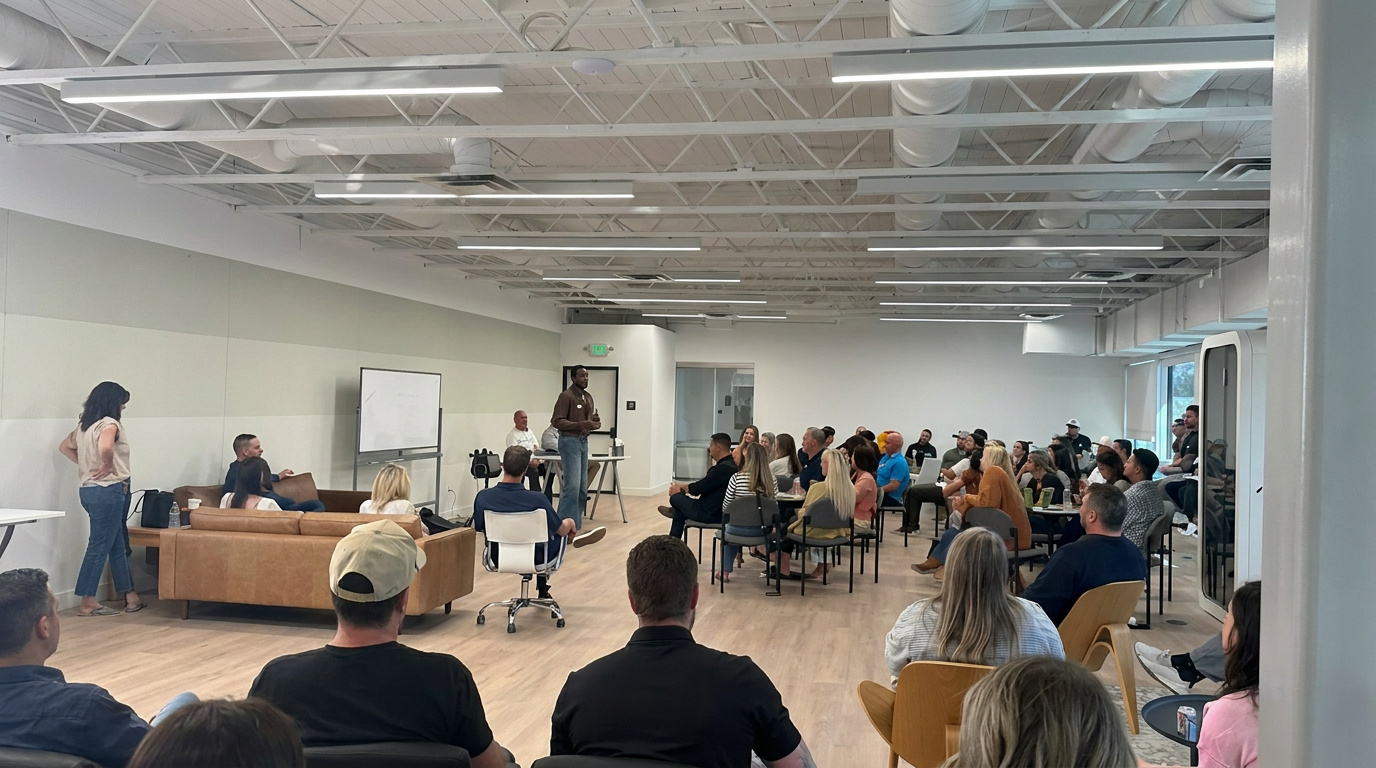
When addiction isolates you behind walls of shame and secrecy, group therapy breaks through by connecting you with others who genuinely understand your experience. In therapist-led sessions, you’ll share challenges, exchange coping strategies, and build accountability alongside peers facing similar struggles.
Research shows peer-support participation increases treatment retention, reduces relapse rates, and improves relationships with providers and loved ones.
Common group therapy models include:
- Psychoeducational groups that teach how substance use affects your health and behavior
- Cognitive-behavioral groups that help you identify triggers and change thinking patterns linked to use
- Interpersonal process groups that examine relational patterns contributing to addiction
Beyond formal sessions, mutual-help organizations like SMART Recovery and Narcotics Anonymous extend peer-support into your daily life, rebuilding the social connections recovery demands.
12-Step Programs and Community-Based Recovery Support
Although professional treatment lays the groundwork for recovery, 12-Step programs like Alcoholics Anonymous (AA) extend that support into daily life through peer-driven meetings, sponsorship, and structured guiding principles. You’ll work through steps that include self-examination, making amends, and helping others maintain sobriety.
Research shows that active involvement in 12-Step programs is associated with positive substance use and psychosocial outcomes. Twelve-Step Facilitation, the clinical version, produces results as good as or better than other active treatments, particularly for sustained abstinence. Community-based recovery support through regular meetings builds a social network that reinforces your sobriety goals. You don’t need a referral, these programs are widely available and free. and evidence-basedco-occurringthe
EMDR and Trauma-Focused Addiction Therapy
If unresolved trauma is driving your substance use, EMDR (Eye Movement Desensitization and Reprocessing) can help you reprocess distressing memories so they no longer trigger cravings and self-medication patterns. EMDR uses bilateral stimulation, such as guided eye movements, to reduce the emotional charge of traumatic experiences through a structured eight-phase protocol built on safety, stabilization, and gradual processing. When paired with CBT, EMDR becomes part of a holistic approach that addresses both the root trauma and the thought patterns sustaining addiction.
Trauma-Driven Substance Use
Trauma is one of the most powerful drivers behind chronic substance use, particularly when alcohol or drugs become a way to cope with distressing memories, hyperarousal, or emotional numbing. When you’re caught in this cycle, treating substance use alone often isn’t enough, you need trauma therapy substance abuse recovery that addresses the root cause.
EMDR in addiction treatment targets the unresolved experiences fueling your cravings and relapse patterns. Key factors linking trauma to addiction include:
- Adverse childhood experiences that create deeply ingrained stress responses and increase your vulnerability to substance dependence
- Co-occurring PTSD and substance use, where trauma symptoms and addictive behavior reinforce each other
- Chronic relapse cycles driven by unprocessed traumatic memories that trigger overwhelming emotions and cravings
Addressing trauma directly changes your recovery trajectory.
How EMDR Works
EMDR (Eye Movement Desensitization and Reprocessing) works by having you briefly focus on a traumatic memory while experiencing bilateral stimulation, typically guided eye movements, alternating taps, or auditory tones. This process helps your brain reprocess the memory so it becomes less vivid and emotionally charged. You don’t need to describe the trauma in detail, EMDR works by activating the memory while keeping you grounded in the present.
The eight-phase protocol guides you through identifying target memories, negative beliefs, and body sensations, then systematically reducing their distress. As a behavioral therapy substance abuse professionals increasingly adopt, EMDR addresses the unresolved trauma that often drives addictive patterns. Within trauma-focused addiction therapy, this approach helps shift painful memories from emotional triggers into manageable experiences, supporting lasting recovery.
Pairing EMDR With CBT
When trauma and substance use fuel each other, combining EMDR with CBT offers a powerful dual approach. EMDR reprocesses the traumatic memories driving your cravings, while CBT restructures the thought patterns keeping you stuck. Together, they’re among the most effective evidence based addiction therapies for co occurring disorder therapy.
- EMDR reduces emotional intensity of trauma memories, easing flashbacks and self-medication urges so you can engage more fully in recovery work.
- CBT builds practical coping skills, helping you challenge addiction-related thinking, manage triggers, and plan for relapse prevention.
- Integrated assessment tracks both trauma symptoms and substance use outcomes, ensuring your treatment addresses the full picture.
Preliminary RCT evidence supports adding trauma-focused treatment to standard substance use disorder care for improved outcomes.
Yoga, Art Therapy, and Holistic Approaches in Rehab
Although evidence-based therapies like CBT and motivational interviewing form the backbone of addiction treatment, many rehab programs also incorporate holistic approaches, such as yoga, art therapy, and mindfulness practices, to address the mind-body-spirit connection that substance use disrupts. Yoga in addiction rehab can help you manage cravings, regulate emotions, and reduce stress-related relapse triggers. Art therapy offers a nonverbal outlet for processing trauma and identifying feelings when words feel insufficient. Through holistic addiction counseling, you’re building self-awareness, self-acceptance, and healthier coping responses to anxiety and pain. Research shows promising short-term results, particularly yoga’s role in reducing substance use and cravings, though long-term evidence still needs strengthening. These approaches work best as complements to clinical treatment, not replacements, giving you additional tools for sustained recovery.
Call Today and Begin Evidence-Based Healing
From CBT to DBT to trauma-informed care, modern therapy offers powerful tools for lasting recovery when guided by the right professionals. At Changes Treatment Center in Costa Mesa, CA, our caring team provides trusted Therapy Services with understanding and a plan shaped around you. Call (949) 807-2008 today and take the first step toward lasting change.
Frequently Asked Questions
How Long Does Addiction Therapy Typically Last Before Seeing Results?
You’ll often notice initial improvements within the first 30 days, especially as your body stabilizes after detox. However, research shows that at least 3 months of treatment produces markedly better outcomes. Meaningful behavioral and emotional changes typically take months, not weeks. Factors like addiction severity, co-occurring mental health conditions, and your support system all influence your timeline. Remember, recovery’s a long-term process, staying engaged in aftercare strengthens your results over time.
Can Addiction Therapy Work Without Medication-Assisted Treatment?
Yes, therapy can work without medication-assisted treatment in many cases. You’ll find that approaches like CBT, motivational interviewing, and group therapy effectively address thought patterns, coping skills, and relapse prevention. However, if you’re dealing with opioid or alcohol dependence, combining therapy with medication typically produces stronger outcomes. Your treatment team can help you determine the best fit based on your substance use, withdrawal risk, and recovery goals.
How Do Therapists Decide Which Therapy Model Fits Each Patient?
Your therapist evaluates several factors to find the right fit, your substance use pattern, any co-occurring mental health conditions, your readiness for change, and your personal triggers. They’ll also consider practical needs like family dynamics, coping skills, and access to care. There’s no single best model for everyone, so clinicians typically prioritize evidence-based options and tailor the approach to your specific goals and circumstances.
Is Online Addiction Therapy as Effective as In-Person Treatment?
Research shows online addiction therapy can be just as effective as in-person treatment, especially with structured approaches like CBT. You’ll find similar reductions in substance use, comparable satisfaction rates, and strong engagement outcomes. However, if you’re managing severe symptoms or need crisis support, in-person care may serve you better. What matters most isn’t the delivery format, it’s your commitment to showing up consistently and engaging fully in your recovery process.
What Happens When Someone Doesn’t Respond to Standard Addiction Therapies?
If you’re not responding to standard therapy, that’s a signal to adjust your plan, not to give up. Your team might intensify treatment, add medication, try CBT or contingency management, or move you to a higher level of care like a therapeutic community. Different tools work for different people, and recovery is often iterative..