

Naloxone and Harm Reduction: Survival Comes Before Recovery

Medically Reviewed By:

Eric Chaghouri MD

Dr. Eric Chaghouri

Medical Director

Dr. Eric Chaghouri is a distinguished forensic psychiatrist and addiction medicine specialist with a thriving private practice in West Hollywood and Century City, California. He specializes in the treatment of co-occurring psychiatric and addictive disorders and is recognized for his work with attorneys, courts, and legal teams in both civil and criminal litigation. He also provides expert consultation on psychiatric issues for major television networks and oversees a growing team of mental health clinicians.

Graduated summa cum laude from the University of California, Los Angeles (UCLA) in 2007 with a Bachelor of Arts in Biology Medical degree from the Keck School of Medicine of USC in 2011 Postgraduate training began with an internship at Cedars-Sinai Medical Center Three years of general adult psychiatry residency at the Los Angeles County + USC Medical Center.

Share this Post

Support That Truly Cares

Reach out for confidential support, no pressure, no judgment. We’re here to help you take the next step.

By pressing submit, you accept the Privacy Policy and Terms & Conditions.

Our Recent Posts

There’s a persistent myth that giving people naloxone somehow encourages drug use, as if protecting someone from a fatal overdose gives them permission to use more. It doesn’t work that way, and the evidence is clear on this. The truth is much simpler and more humane: you can want someone to stop using and want them alive today. If you’ve ever wrestled with how harm reduction fits with recovery, the answer starts with one honest idea. Survival isn’t the opposite of recovery. It’s the prerequisite for it.

Naloxone Doesn’t Cause Drug Use
nano banana pro 28ee4fba

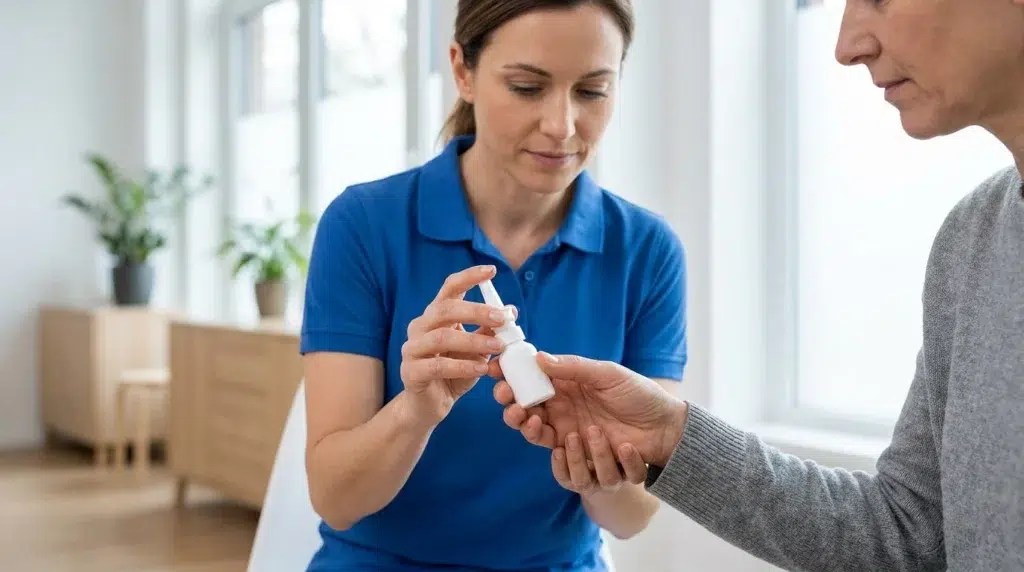
Let’s start with the myth, because it does real damage. Some people believe that making naloxone available encourages or enables drug use. This simply isn’t true, and research backs that up.

A 2021 systematic review found no evidence that providing take-home naloxone leads to increased opioid use or any other substance use. Some studies even suggest people use more cautiously when naloxone is present. Naloxone, often known by the brand name Narcan, does exactly one thing: it reverses an opioid overdose and saves a life. It doesn’t cause addiction, and it doesn’t give anyone a reason to use more. It simply keeps people alive, which is the entire point.

Meet People Where They’re At
nano banana pro 4e449d71

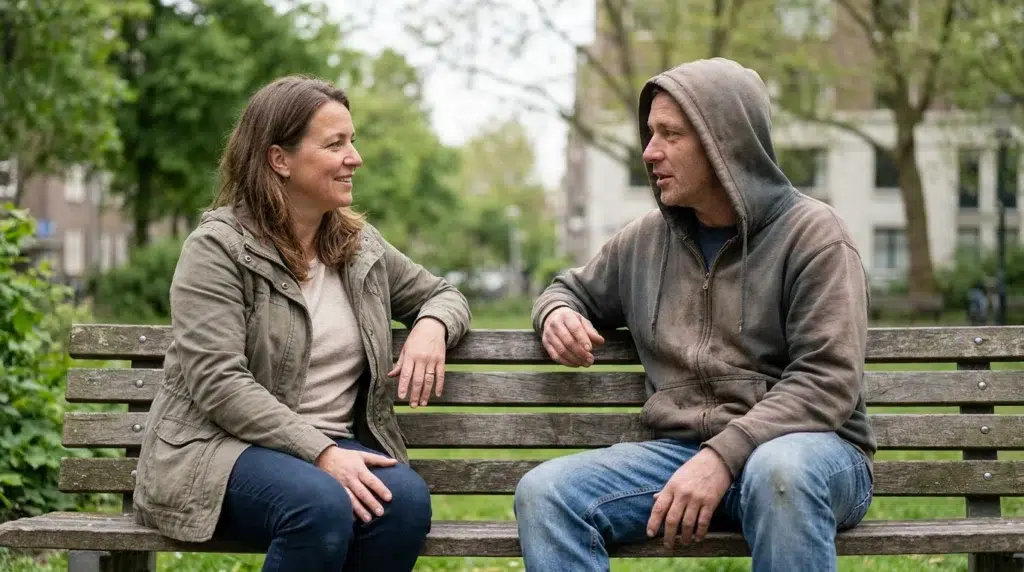
At the heart of harm reduction is a philosophy that’s actually quite simple. Meet people where they’re at. Instead of demanding that someone be perfect before they’re allowed compassion or help, harm reduction meets them in the reality of their situation right now.

This approach recognizes that people struggling with addiction are human beings who deserve dignity and protection, no matter where they are in their journey. Meeting people where they’re at doesn’t mean giving up on their recovery. It means refusing to abandon them while they’re still fighting. Sometimes offering care without conditions is the very thing that opens the door to change later on.

Survival Is the Prerequisite for Recovery

nano banana pro e052be76

Here’s where a lot of the confusion sets in, and it matters enormously. We’ve somehow started treating survival as if it competes with recovery. As if keeping someone alive today somehow undermines the goal of getting them sober. That thinking has it backward.

Survival isn’t in competition with recovery. Survival is the prerequisite for recovery. A person cannot get sober, cannot heal, cannot rebuild their life if they’re not alive to do it. Keeping someone alive today is what makes every future possibility possible. There is no recovery for someone who didn’t survive the night, which is exactly why protecting life has to come first.

You can absolutely want someone to stop using drugs while also wanting them alive today. Those ideas aren’t contradictory. They’re called keeping someone alive.

Two Things Can Be True at Once

Part of what makes this debate so heated is a false choice, the idea that you have to pick between wanting someone sober and wanting them protected. You don’t. Both things can be true at the same time.

You can believe abstinence is the safest option while still believing someone deserves protection from overdose if they’re not abstinent. You can want someone to stop using while doing everything possible to keep them alive long enough to get there. These aren’t contradictory positions. Holding both isn’t a compromise of your values. It’s compassion and realism working together, and it’s what keeping someone alive actually looks like.

When “Recovery Policy” Becomes Punishment

This leads to a hard but important truth. If an approach to addiction requires people to hit some catastrophic bottom, or to nearly die, before they’re allowed help, that’s worth examining closely. An approach built on withholding life-saving care isn’t really about recovery at all.

As the message that inspired this puts it bluntly, if your solution to addiction requires people to die before they’re allowed help, that’s not recovery policy. That’s punishment wearing a public health costume. Real care doesn’t gatekeep survival. It protects life first, and then walks with people toward healing. Letting people die to prove a point about sobriety helps no one, and it certainly isn’t recovery.

Changes Supports Harm Reduction

We believe in meeting people where they are and protecting life, which is why Changes is proud to support harm reduction. As part of that commitment, Changes Treatment Center is becoming an End Overdose trained Narcan facility, equipped to help save lives from opioid overdose.

Supporting harm reduction and believing wholeheartedly in recovery aren’t in conflict for us. They’re two parts of the same commitment to the people we serve. A few of the ways that commitment shows up:

  • Narcan readiness as an End Overdose trained facility, prepared to respond to an opioid overdose.
  • A meet-you-where-you-are approach that treats every person with dignity, wherever they are in their journey.
  • Comprehensive treatment through PHP, IOP, and outpatient care for those ready to pursue recovery.
  • Individual and group therapy to support lasting healing and connection.
  • Compassionate, judgment-free support focused first on keeping people alive and then on helping them heal.

Keeping People Alive Is Where Hope Begins

The most important thing to understand about harm reduction is what it makes possible. Every life saved from overdose is a life that still has a chance at recovery. Someone who survives today can find healing tomorrow. Someone who doesn’t never gets that chance.

Wanting people alive and wanting them well were never opposing goals. They’re the same goal, in the right order. Survival first, so that recovery, hope, and a whole future remain possible. That’s not giving up on anyone. It’s refusing to.

Call Today, We’re Here to Help You Live and Heal

Whether you or someone you love needs protection, support, or a path toward recovery, we’re here without judgment. At Changes Treatment Center, we support harm reduction and help people heal through PHP, IOP, outpatient treatment, therapy, psychiatric care, and Beyond Therapy programming. Located in Costa Mesa, California. Call (949) 807-2008 today, because every life is worth saving and every person deserves a chance to heal.

Frequently Asked Questions

Does naloxone (Narcan) encourage drug use?

No. A 2021 systematic review found no evidence that providing take-home naloxone leads to increased opioid or other substance use, and some studies suggest people use more cautiously when it’s available. Naloxone only reverses an opioid overdose and saves a life. It doesn’t cause addiction or encourage use.

What is harm reduction?

Harm reduction is an approach that focuses on keeping people alive and reducing the dangers of drug use, meeting people where they are rather than requiring abstinence first. It includes strategies like naloxone distribution and education. The goal is to protect life and dignity, which keeps the door open to recovery.

Does supporting harm reduction mean giving up on recovery?

No. Harm reduction and recovery are complementary, not opposed. You can want someone to stop using while also wanting to keep them alive today. Survival is the prerequisite for recovery, because a person has to be alive to heal. Protecting life first keeps every future possibility of recovery open.

Why is survival considered a prerequisite for recovery?

Because recovery is impossible for someone who doesn’t survive. A person can’t get sober, heal, or rebuild their life if they’ve died from an overdose. Keeping people alive today is what makes recovery possible tomorrow, which is why harm reduction and life-saving tools like naloxone matter so much.

Is Changes Treatment Center a Narcan facility?

Yes. Changes Treatment Center is becoming an End Overdose trained Narcan facility, equipped to help reverse opioid overdoses. We support harm reduction as part of our commitment to protecting life and helping people heal, and we offer comprehensive treatment for those ready to pursue recovery.

Alcohol Self-Assessment

Take a moment to answer these questions honestly.
There are no right or wrong answers.

This assessment is not a medical diagnosis, but it can help you determine whether alcohol may be having a greater impact on your life than you realize.

In the past 12 months…

SCORE: 0 POINTS

Developed by Patrick Conod, LCSW, and Cari Lawyer, CATC I, on behalf of the Changes Treatment Center Clinical Leadership Team.

Is My Loved One Struggling with Alcohol?

A Self-Assessment for Family Members and Friends

Watching someone you love change because of alcohol can be confusing and heartbreaking. You may find yourself questioning what you’re seeing, wondering if you’re overreacting, or hoping things will get better on their own.

This assessment is designed to help you reflect on the behaviors you’ve noticed. It isn’t a diagnosis, but it may help you determine whether it’s time to seek guidance or support.

In the past 12 months…

Developed by Patrick Conod, LCSW, and Cari Lawyer, CATC I, on behalf of the Changes Treatment Center Clinical Leadership Team.

Quiz: Could It Be Both?

When we are struggling with deep stress, anxious thoughts, or a low mood, it is incredibly natural to look for immediate relief. Sometimes, we turn to alcohol or other substances just to quiet our minds, get some sleep, or feel normal for a night. 

This short self-assessment is designed to help you pause and look at how these two parts of your life might be influencing each other. It is entirely anonymous and takes less than two minutes.

If you answered "Yes" to more than one question:

Reflecting on how your experiences connect

Answering "yes" to one or more of these questions can be a sign that your mental health and substance use are deeply intertwined. When anxiety, depression, or stress connect with alcohol or drug use, they often feed into one another in a cycle. Recognizing this link is a powerful and brave step toward finding a path that heals both at the same time.

  • A gentle next step: You don’t have to separate these struggles or try to fix them one by one. True recovery looks at the whole picture, and starting with a simple, honest conversation can offer immense relief.
  • Let's talk it through: We have compassionate, real people ready to listen and walk alongside you. Whether your goal is to find balance, heal from trauma, or address both mental health and substance use together—we are here with zero judgment and absolute confidentiality.

Want us to reach out to you?

Leave your details below and a caring member of our team will connect with you quietly and confidentially.

Quiz: Do I Have a Substance Use Problem?

It’s common for habits to slowly shift over time, especially during stressful seasons. Often, we find ourselves using a substance to cope, unwind, or get through the day, only to realize it is starting to take up more space in our routine, thoughts, or relationships than we’d like.

This quick, 10-question check-in is a quiet space to reflect honestly on how your use is impacting your life. It is entirely anonymous, completely free of clinical judgment, and takes less than two minutes.

If you answered "Yes" to more than one question:

Reflecting on your routine and finding balance

Answering "yes" to one or more of these questions can be a sign that substance use might be starting to take up a bit more space in your mind, routine, or relationships than you would like. It is incredibly common for these habits to slowly shift over time, especially during stressful seasons, but realizing you want to look closer at those habits is a brave first step.

  • A gentle next step: You don’t have to make any major, life-altering decisions today. Simply giving yourself permission to talk openly and honestly about where you are can lift a massive weight.
  • Let's talk it through: We have compassionate, real people ready to listen and walk alongside you. Whether your goal is to cut back, take a temporary break, or just share your story, we are here with zero judgment and absolute confidentiality.

Want us to reach out to you?

Leave your details below and a caring member of our team will connect with you quietly and confidentially.

Quiz: Am I Depressed?

We all experience days when we feel down, exhausted, or just completely unmotivated. But when those heavy feelings start lingering, it can be hard to tell if you’re just going through a rough patch or if it’s something more.

This quick, confidential check-in is designed to help you pause and reflect on how you’ve actually been feeling lately. It is completely anonymous, entirely non-judgmental, and takes less than two minutes.

If you answered "Yes" to 3 questions or more:

Finding a gentle path forward

Answering "yes" to one or more of these questions can be a sign that a heavy mood, low energy, or a sense of exhaustion has started to weave its way into your daily life. Carrying this emotional weight is incredibly tiring, but acknowledging how much you have been holding inside is a profound and brave first step toward feeling like yourself again.

    • A gentle next step: You don’t have to navigate these heavy feelings or find the answers all on your own. Simply letting someone else help carry the weight for a moment can offer immense relief.
  • Let's talk it through: We have warm, compassionate people ready to listen and walk alongside you. Whether you are looking for guidance on how to start feeling better, or simply want a safe, confidential space to share what you've been going through—we are here for you.

Want us to reach out to you?

Leave your details below and a caring member of our team will connect with you quietly and confidentially.

Quiz: How Much Drinking Is Too Much?

Is your evening glass of wine a harmless habit, or is it starting to catch up with you? It’s not always easy to tell where “social drinking” ends and “too much” begins.

Take this quick, 2-minute quiz to check in on your relationship with alcohol and get clear, personalized insights.

If you answered "Yes" to more than one question:

Reflecting on your routine and finding balance

Answering "yes" to one or more of these questions can be a sign that alcohol might be starting to take up a bit more space in your mind, routine, or relationships than you would like. It is incredibly common for drinking habits to slowly shift over time, especially during stressful seasons, but realizing you want to look closer at those habits is a brave first step.

  • A gentle next step: You don’t have to make any major, life-altering decisions today. Simply giving yourself permission to talk openly and honestly about where you are can lift a massive weight.
  • Let's talk it through: We have compassionate, real people ready to listen and walk alongside you. Whether your goal is to cut back, take a temporary break, or just share your story, we are here with zero judgment and absolute confidentiality.

Want us to reach out to you?

Leave your details below and a caring member of our team will connect with you quietly and confidentially.