



Start with safety: if you suspect an overdose, call 911 and give naloxone, and call or text 988 in a crisis. Then trade pressure for patient persuasion. Research treatment options, and talk privately when your loved one’s sober and calm. Describe specific behaviors without labels, hear their fears, and ask for one small step, like an assessment. Offer practical help. The steps below show how boundaries, planned interventions, and self-care can turn refusal into readiness.
Key Takeaways
- If overdose is suspected, call 911 and give naloxone; for crisis support, call or text 988.
- Talk privately when your loved one is sober, describing specific behaviors like missed work instead of using labels or blame.
- Research outpatient, residential, and medication treatment options beforehand through FindTreatment.gov or SAMHSA’s helpline at 1-800-662-4357.
- Ask for one small step, such as an assessment, and offer help with scheduling, transportation, childcare, or insurance.
- Consider CRAFT, which engages treatment-resistant individuals two to three times more often than surprise confrontations, while setting boundaries you’ll enforce.
How do you get a loved one into rehab when they refuse help
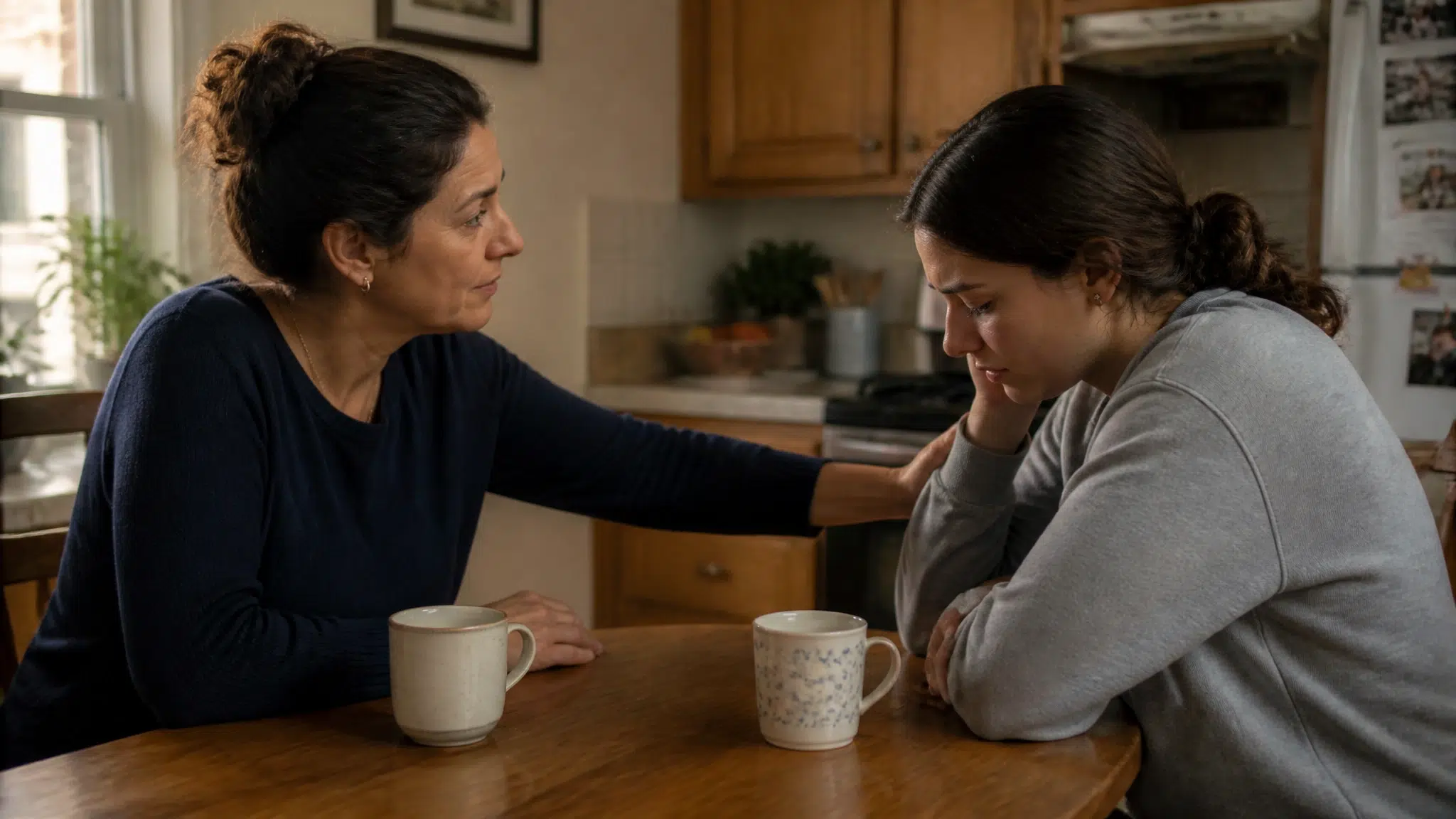
Get a loved one into rehab by putting safety first, then shifting from pressure to persuasion. If you suspect an overdose, call 911 and give naloxone; for crisis support, call or text 988. Choose a private, sober moment and describe specific behaviors without labels or blame. Listen for fears about cost, stigma, or withdrawal, then ask for one manageable next step, like an assessment. Research treatment options beforehand through FindTreatment.gov or SAMHSA’s helpline at 1-800-662-4357, and offer rides or scheduling help. If they keep refusing, consider CRAFT, which engages about two-thirds of resistant individuals in studies. Set consistent boundaries throughout the process.
What steps move a loved one toward rehab when they resist
The steps that move a resistant loved one toward rehab are preparing treatment options, talking calmly in private, and asking for one small decision instead of pushing for an immediate yes. Preparation, timing, and patience make more progress than pressure.
| Step | What you do | Why it helps |
|---|---|---|
| Prepare options | Research outpatient, residential, and medication treatment | You’re ready when they’re open |
| Talk calmly, privately | Describe specific behaviors while they’re sober | Reduces defensiveness |
| Ask for one step | Suggest an assessment or doctor visit | Feels manageable, not overwhelming |
Offer to handle scheduling, transportation, childcare, or insurance calls. SAMHSA’s National Helpline (1-800-662-4357) provides free, confidential referrals 24/7. If they still refuse, consider CRAFT-trained support for yourself. Keep naloxone nearby if opioids are involved, and call 911 for any overdose or immediate danger.
How do you open the conversation without pushing them away

Open the conversation by describing what you’ve seen without labels or blame, choosing a private moment when your loved one is sober and calm. Say “I noticed you missed work three times this month” instead of “You’re an addict.” Concrete observations are harder to dismiss and less likely to trigger defensiveness.
Then listen. Your loved one may worry about cost, stigma, withdrawal, or what treatment involves. Don’t argue these concerns away; acknowledge them, because they often reveal what’s blocking progress.
Next, ask what kind of help feels acceptable. A doctor’s appointment, an assessment, or a single call to a treatment provider may feel more manageable than rehab. Keep the focus on that one step rather than demanding a lifelong commitment. Small agreements build momentum toward bigger ones.
How does a planned intervention work
A planned intervention works by preparing family members to guide a loved one toward treatment, and the most effective approach, Community Reinforcement and Family Training (CRAFT), does this through ongoing coaching rather than a single surprise confrontation. Most people picture a confrontation where family members read letters and demand immediate rehab, an approach often called a Johnson intervention, but it isn’t the most effective option. Research reviews report that CRAFT has engaged treatment-resistant people at two to three times the rate of Johnson-style interventions.
With CRAFT, you work directly with a trained clinician or program, even if your loved one refuses to attend. You’ll learn to reinforce sober, constructive behavior and stop rewarding substance use. You’ll also practice timing conversations and lining up specific treatment options in advance, so you’re ready when they show willingness. CRAFT studies report about two-thirds of treatment-refusing participants entered treatment, though results vary by study and population.
How do boundaries encourage someone to accept help
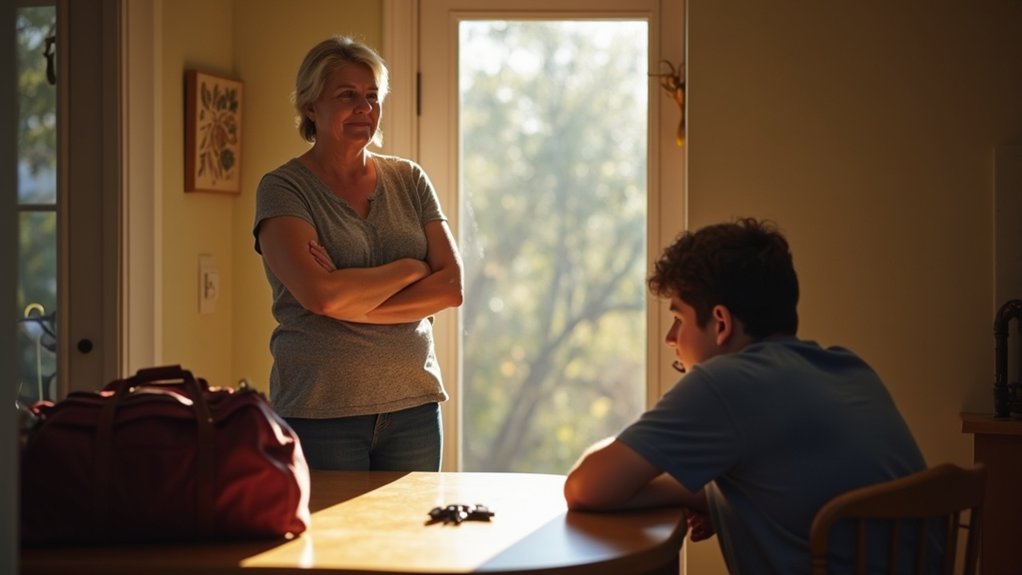
Boundaries encourage someone to accept help by letting them feel the natural consequences of substance use instead of having you absorb them. Stopping the habit of covering missed rent, calling in sick for them, or cleaning up after a binge makes the cost of using harder to ignore.
Set clear, realistic limits around money, housing, driving, caregiving, or substance use in your home. State each one calmly, then follow through every time. Don’t issue threats you can’t keep, because inconsistency teaches them your limits are negotiable. Pair boundaries with reinforcement: spend time with them when they’re sober, and keep treatment options ready for when they’re open.
If setting a limit could trigger violence, put safety first and call 911. Lean on counseling or peer support too.
What legal options exist if they still refuse
Involuntary commitment may be an option if your loved one still refuses treatment and their substance use puts them in danger, but the rules depend on where you live. Many state laws consider whether someone is a danger to themselves or others, is gravely disabled, has impaired decision-making, or can’t meet their basic needs. Who can file a petition, whether a clinician must evaluate them, and how long commitment lasts all vary by state.
Talk with local legal aid, your county’s behavioral-health authority, or a qualified attorney first. Keep your expectations realistic. Commitment doesn’t guarantee ongoing treatment after release, and it rarely produces lasting recovery on its own. If your loved one faces immediate danger, don’t wait. Call 911.
How do you take care of yourself while getting a loved one into rehab
Take care of yourself by protecting your own health, setting firm boundaries, and getting support of your own. Chronic worry, conflict, and disrupted sleep wear you down, and exhaustion makes it harder to hold steady boundaries. Set clear, realistic limits around money, housing, driving, and substance use in shared spaces, then apply them calmly and consistently. Don’t shield your loved one from every consequence or take responsibility for choices you can’t control.
Get your own support. Family counseling, peer support groups, or individual therapy can help manage stress, and a CRAFT-trained clinician can teach you constructive ways to encourage treatment. If boundary-setting could trigger violence, put your safety first. Call 911 for immediate danger, or call or text 988 for crisis support.
Know What You Can Offer When Someone Resists Treatment
You cannot control another person’s willingness to recover, but you can be prepared with clear treatment options if they become ready for help. Changes Treatment Center offers an Intensive Outpatient Program for adults who need structured addiction support while remaining at home. Families can call (949) 807-2008 or contact Changes to learn more about available care.
Frequently Asked Questions
How Much Does Rehab Cost, and Will Insurance Cover It?
Rehab costs vary widely, and coverage depends on your loved one’s plan, so you’ll need specific answers rather than averages. Outpatient care, residential care, and medication treatment each carry different price tags. Call SAMHSA’s free, confidential National Helpline at 1-800-662-HELP (4357), any time, for referrals. Search FindTreatment.gov to find nearby providers, then call their insurer together to confirm coverage. Offering to handle those insurance questions can make saying yes much easier.
Can Rehab Still Work if My Loved One Doesn’t Want to Go?
It can, but pressure alone won’t ensure lasting recovery. Even involuntary commitment doesn’t guarantee continued support after release. You’ll improve the odds by building readiness. Try CRAFT, a family approach that’s helped about two-thirds of treatment-refusing people engage in care. Reward sobriety, offer one manageable next step, and call SAMHSA today at 1-800-662-HELP (4357) for free, confidential referrals. Protect your own wellbeing, too. If there’s immediate danger, call 911.
What Should I Do if My Loved One Overdoses Before Accepting Help?
Call 911 right away if they’re unresponsive or their breathing is slow or stopped. Give naloxone if you have it, then support their breathing while you wait for responders. Don’t try to manage it alone. Afterward, keep naloxone on hand and call 988 or SAMHSA’s helpline at 1-800-662-4357 for support. An overdose doesn’t mean you’ve failed. Once they’re stable, it’s a moment to calmly offer one next step toward treatment.
How Do I Find a Reputable Rehab Program Near Me?
Start with FindTreatment.gov, where you can search treatment providers by location, or call SAMHSA’s National Helpline at 1-800-662-HELP (4357) for free, confidential referrals any hour. Compare outpatient, residential, and medication treatment options before you talk with your loved one, so you’re ready when they’re open to help. Ask providers about insurance, scheduling, and transportation. Don’t trust any program that guarantees results. Present choices and let them pick what feels right.
What Happens if My Loved One Relapses After Completing Rehab?
If your loved one relapses, act quickly and calmly. If they’re overdosing or breathing slowly, give naloxone and call 911. Otherwise, talk when they’re sober, describe what you’ve seen without blame, and suggest one next step, like calling their treatment provider or SAMHSA’s Helpline at 1-800-662-4357. Keep your boundaries consistent, avoid shielding them from consequences, and get support for yourself through CRAFT or family counseling. Text 988 for crisis support.